 by Evan
Cape Town tops “world’s best city” lists for good reason. In 2025 it was crowned the world’s best city twice: by Time Out in January, from a survey of more than 18,500 travellers, and by The Telegraph Travel Awards in July, its seventh win in 11 years. Few places pack a flat-topped mountain, two oceans, ancient winelands and penguin colonies into one walkable corner of the map. Wondering what to see in Cape Town? Here’s a local’s guide to the best places to visit in Cape Town, with quick tips on who each spot suits, when to go and what it costs, plus where to refuel along the way.
The Best Places to Visit in Cape Town
There are more places in Cape Town to visit than any one trip allows, so we’ve picked the Cape Town attractions worth building a trip around, from world-famous landmarks to quieter local gems.
1. Table Mountain
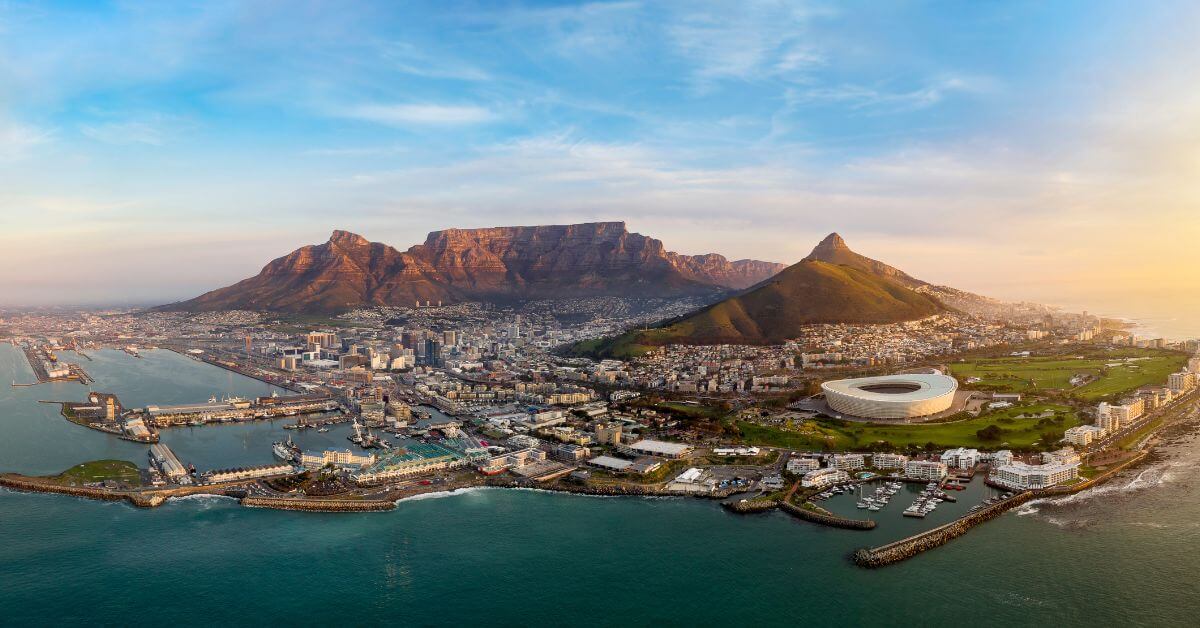
This is the city’s defining icon and a New 7 Wonder of Nature, with a rotating cableway to summit views stretching from Robben Island to the Cape and the most famous of all Cape Town points of interest.

- Cost: From 1 July 2026 to 30 June 2027, the cableway return is R475 for an adult, R230 for a child (4–17), and free under 4. Hiking up is free.
- When to go: Early morning or sunset, on clear, low-wind days only.
- Time needed: 2 to 3 hours.
- Tip: Check the live wind and queue status on the official Table Mountain app before you leave home, then park at the bottom of Tafelberg Road and take the free shuttle if the parking is full at the top. The cableway closes for maintenance from 27 July to 9 August 2026.
- Official site: www.tablemountain.net
2. V&A Waterfront
Cape Town’s tourist hub of shops, restaurants, the Two Oceans Aquarium and the Zeitz MOCAA art museum are framed by the mountain and high on any list of must-see things in Cape Town.
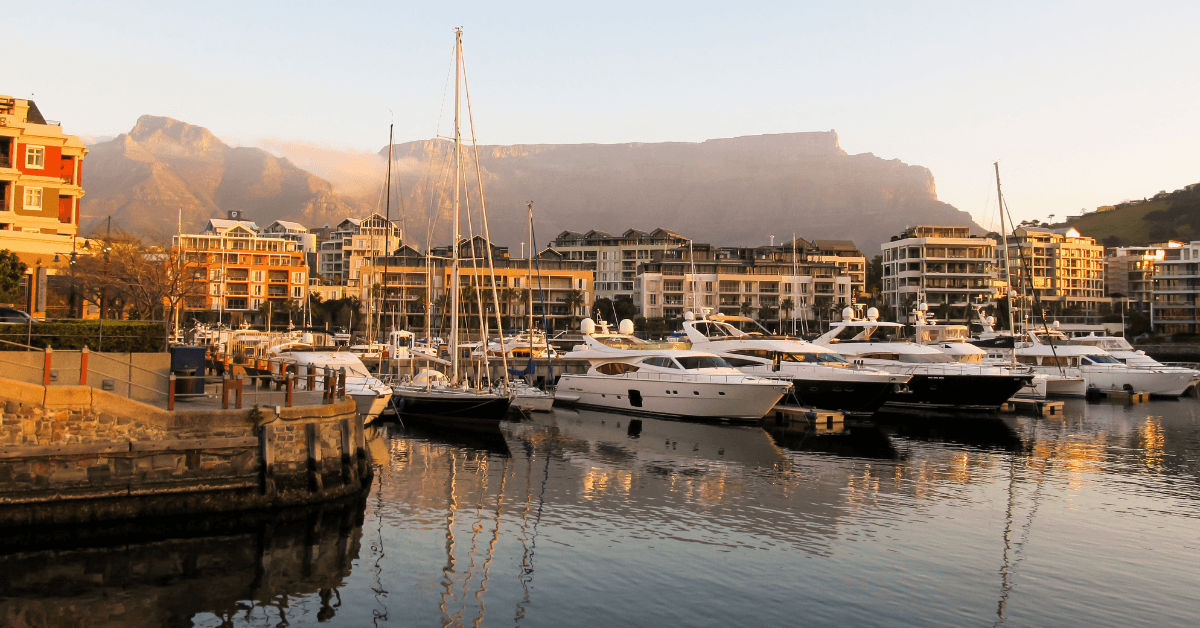
- Cost: Free to wander around the area. The aquarium, Zeitz MOCAA and harbour cruises are ticketed separately.
- When to go: Late afternoon into the evening, when the harbour lights up.
- Time needed: Half a day, but there is enough to do to while away a whole day.
- Tip: Skip the pricier waterside chains and eat at the Watershed or Oranjezicht food markets for a cheaper, more local option. The Robben Island ferry leaves from the Nelson Mandela Gateway at the Waterfront.
- Official site: www.waterfront.co.za
3. Kirstenbosch
One of the world’s great botanical gardens, draped over Table Mountain’s eastern slopes, with the Boomslang tree-canopy walkway and summer sunset concerts.

- Cost: R110 for SA and SADC residents, R150 for African nationals, and R270 for international adults; R40 for children (6–17); and free for those under 6.
- When to go: Spring for wildflowers; summer Sundays for the open-air concerts.
- Time needed: 2 hours to a full day.
- Tip: Bring a picnic blanket for the lawns, and for the Summer Sunset Concerts, arrive early to claim a good spot and to avoid standing in queues.
- Official site: www.sanbi.org/gardens/kirstenbosch
4. Cape Point & Cape of Good Hope
A wild, wind-battered headland at the peninsula’s tip, with a historic lighthouse, baboons, ostriches and sweeping ocean views.
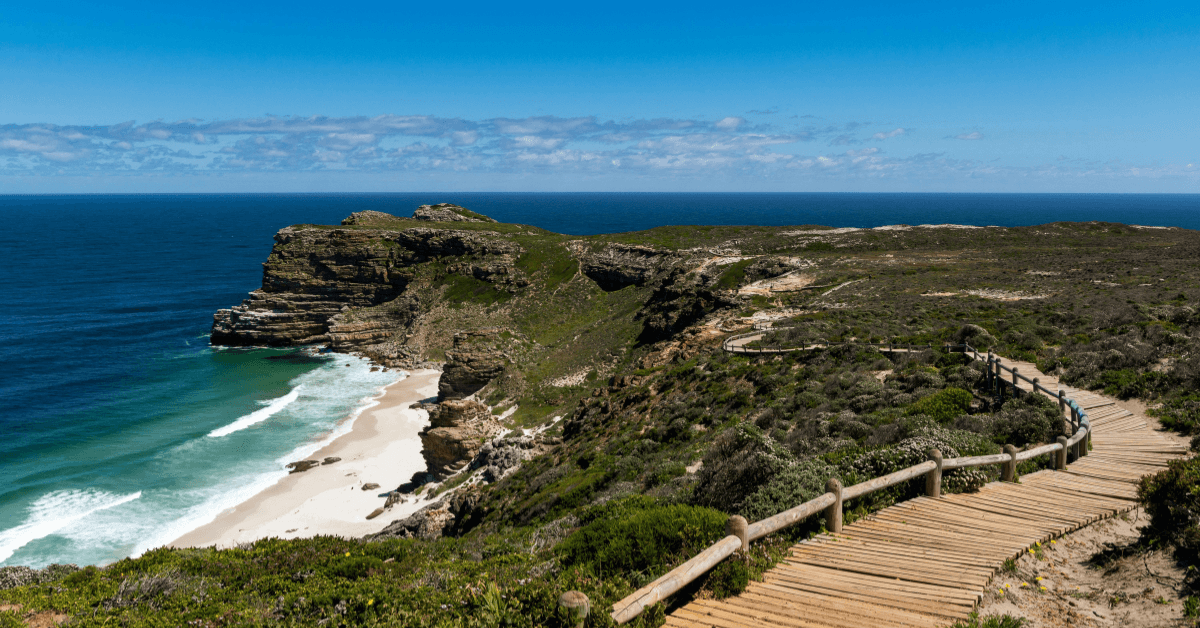
- Cost: Conservation fee of R110 for SA, R225 for SADC, and R515 for international adults (the children’s tickets are roughly half of the adult tickets), valid to 31 October 2026. The Flying Dutchman funicular to the lighthouse is an extra R115 for adults, R60 for children and R60 for pensioners.
- When to go: Spring or autumn for mild weather; arrive early to beat the tour buses.
- Time needed: A full day, including the scenic drive.
- Tip: Keep your car windows up and never feed the baboons, which are bold and quick to grab food and any bags they believe might contain food. Pair Cape Point with Boulders Beach for the perfect peninsula day.
- Official site: www.sanparks.org/tickets/tickets.php
5. Boulders Beach
A sheltered cove near Simon’s Town where you share the sand with a colony of endangered African penguins, with boardwalks for close-up views.
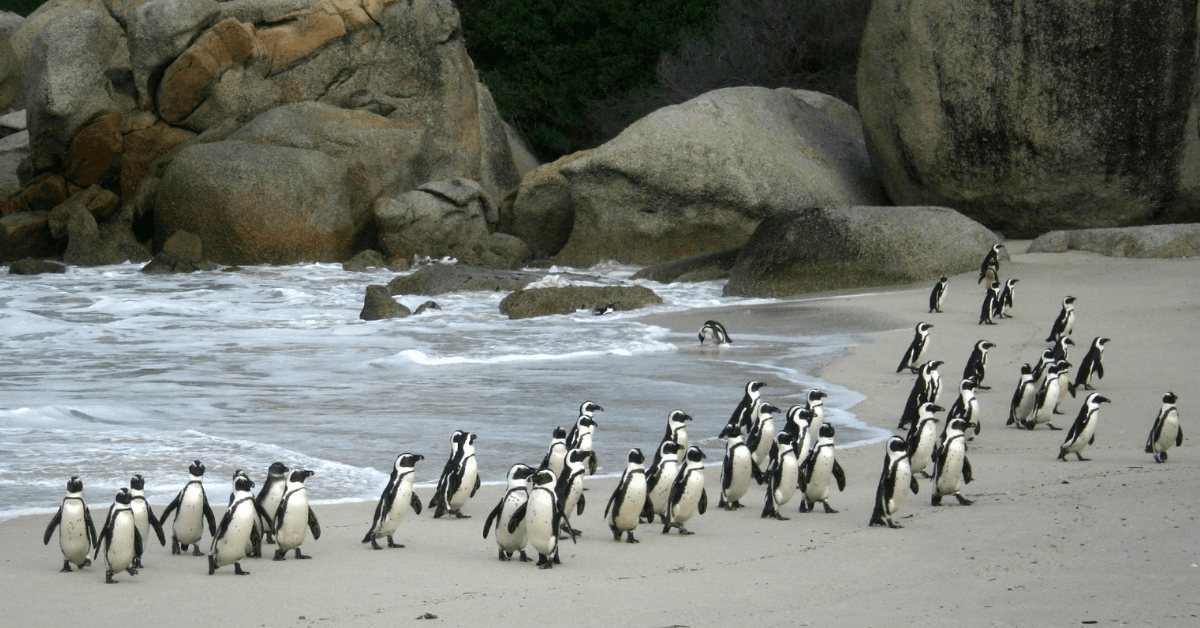
- Cost: Until 31 October 2026 the SANParks fee is R55 for South Africans, R110 for SADC, and R245 for international adults (children are about half of each of these). Card payment only.
- When to go: Early morning, when penguins are most active and crowds are thin and weekdays beat weekends.
- Time needed: 1 to 2 hours.
- Tip: Next door at Foxy Beach, you will have the best view of the endangered penguins, and it is wheelchair friendly. Look but never touch the penguins, as they can bite.
- Official site: https://www.sanparks.org/parks/table-mountain/what-to-do/attractions/boulders-penguin-colony
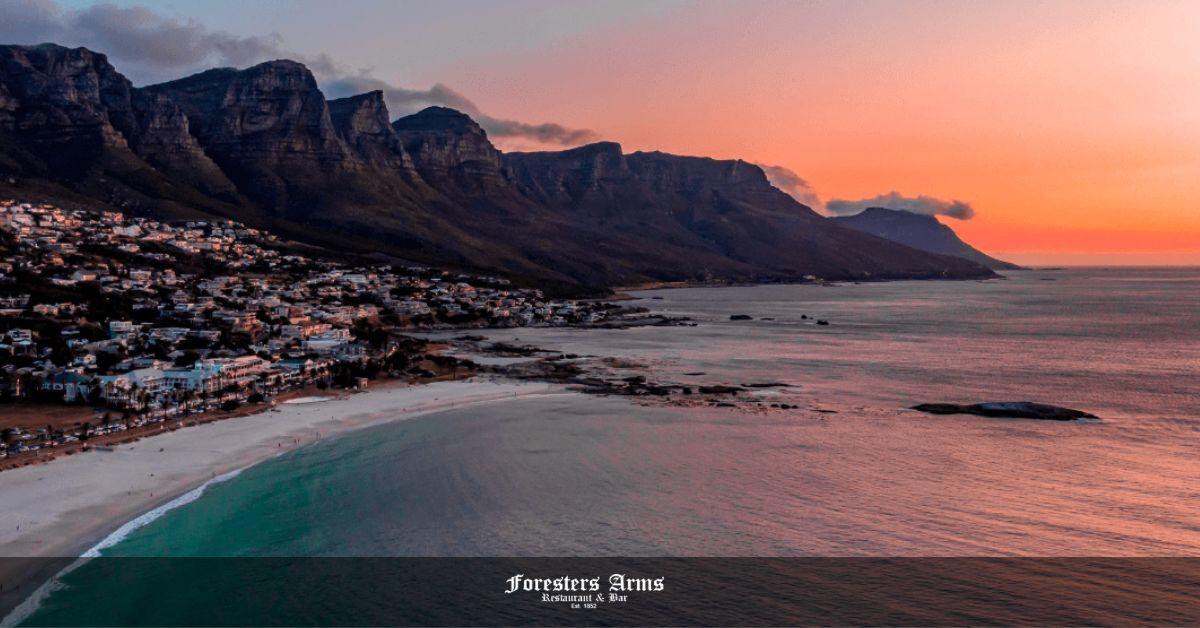
6. Camps Bay
A glamorous Atlantic beach below the Twelve Apostles, with a palm-lined strip of bars and restaurants. For sunset alone, it’s one of the best places to visit in Cape Town.
- Cost: Free; no ticket needed.
- When to go: Late afternoon for golden hour and dinner.
- Time needed: A few hours.
- Tip: Book a terrace table on the strip before sunset at places such as Harry’s Beach restaurant or the Surfshack, as they fill fast on warm evenings. Come early or use a ride-hailing app, since parking is tight.
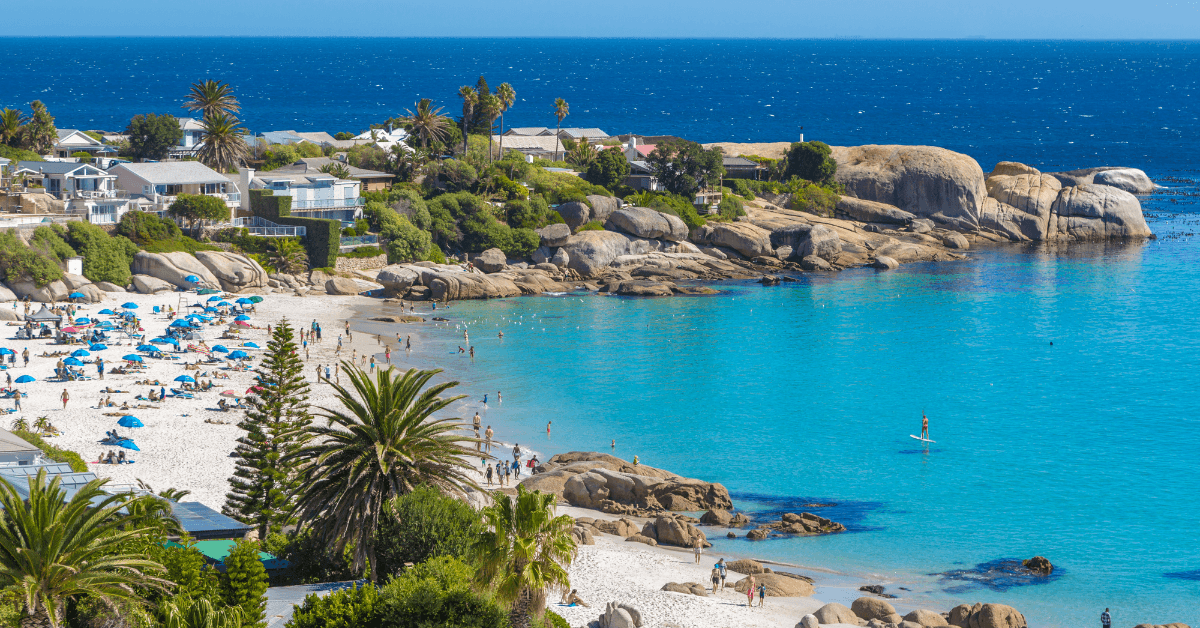
7. Clifton Beaches
Four sheltered, boulder-flanked coves with calm turquoise water, consistently rated among the country’s finest beaches.

- Cost: Free; expect to tip a car guard for parking.
- When to go: Summer mornings, before the wind and crowds pick up.
- Time needed: A few hours.
- Tip: There are many steep steps down and no shops on the sand, so pack water, snacks and an umbrella before you descend. During summer there are guys that walk around with cooler boxes filled with things such as ice cream and sodas that you can purchase with cash. Fourth Beach is the most family-friendly.
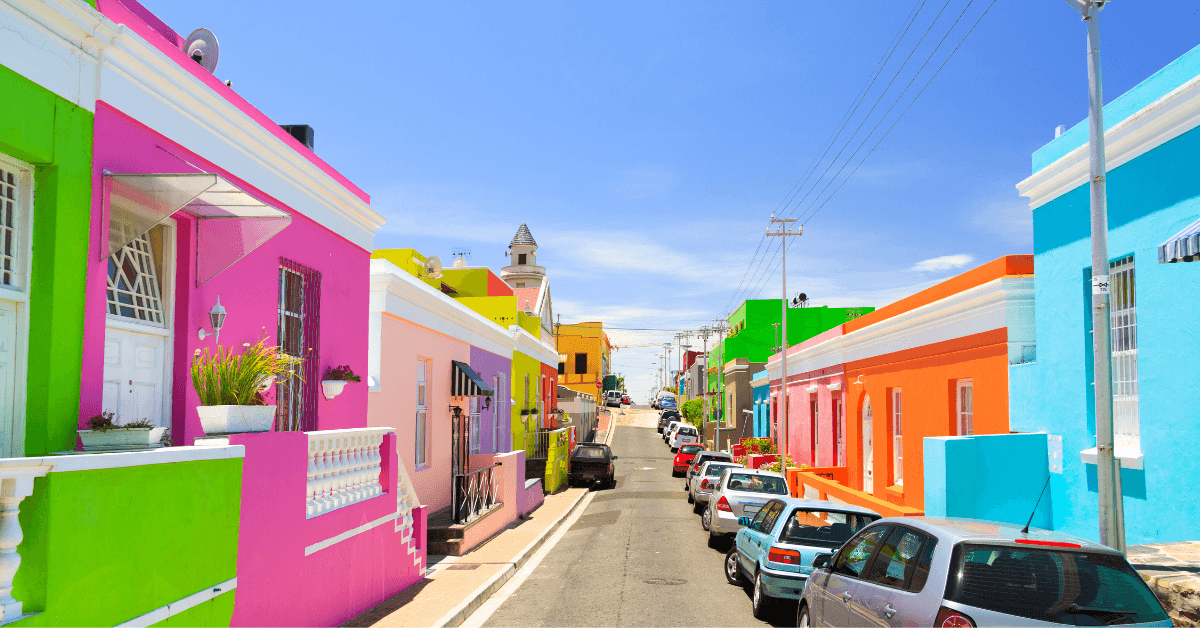
8. Bo-Kaap
The candy-coloured streets and Cape Malay heart of the city, on the slopes of Signal Hill.
- Cost: Free to walk, but the Bo-Kaap Museum charges a fee of R60 for local adults and R40 for children and R100 for international adults and children.
- When to go: Morning, for the best light and quieter streets.
- Time needed: 1 to 2 hours.
- Tip: This is a living, residential neighbourhood, not a film set, so please ask before photographing people or homes, and book a local-led food tour to taste authentic Cape Malay cooking.
- Official site: https://www.iziko.org.za/museums/bo-kaap-museum/
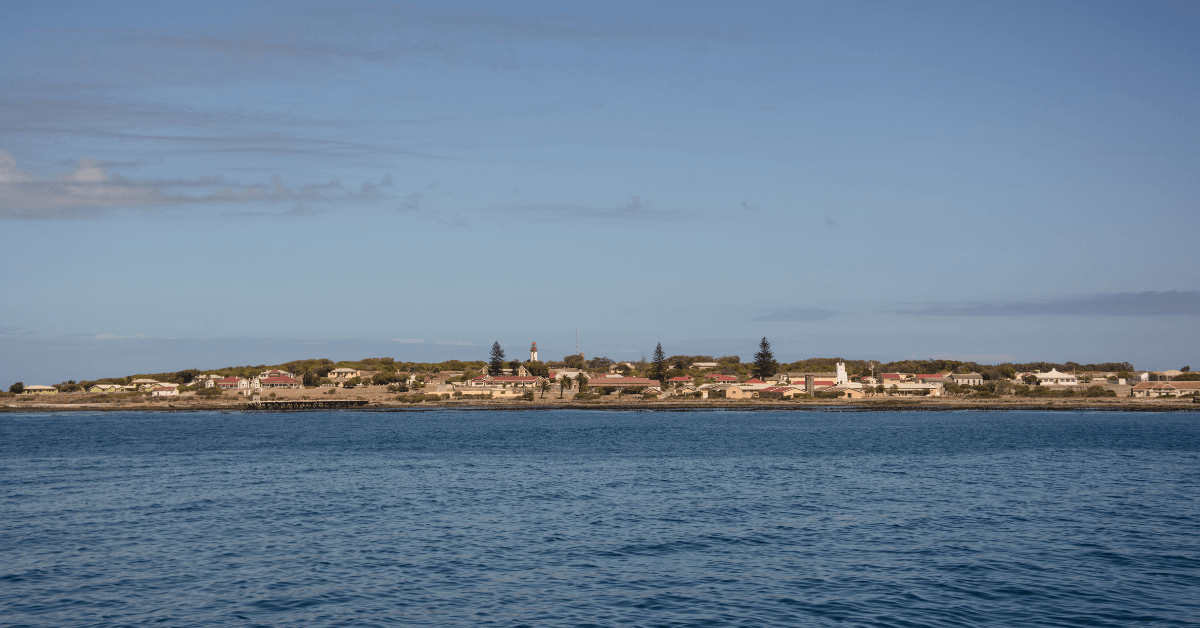
9. Robben Island
The UNESCO-listed prison where Nelson Mandela was held is now toured by former political prisoners, and you can visit his actual cell.
- Cost: R400 for an SA adult / R210 for a child; R600 international adult / R310 for a child. Includes the return ferry, island bus tour and prison walk.
- When to go: Summer for calmer seas; morning departures are most reliable.
- Time needed: 3.5 to 4 hours, including the Krotoa ferry. Other ferries might be slower.
- Tip: Sailings depend on the weather, so do call to check if the tour will be going ahead. It is a good idea to take a seasickness tablet before the time if you are prone to feeling seasick. The ferry leaves from the Nelson Mandela Gateway at the V&A Waterfront.
- Official site: www.robben-island.org.za
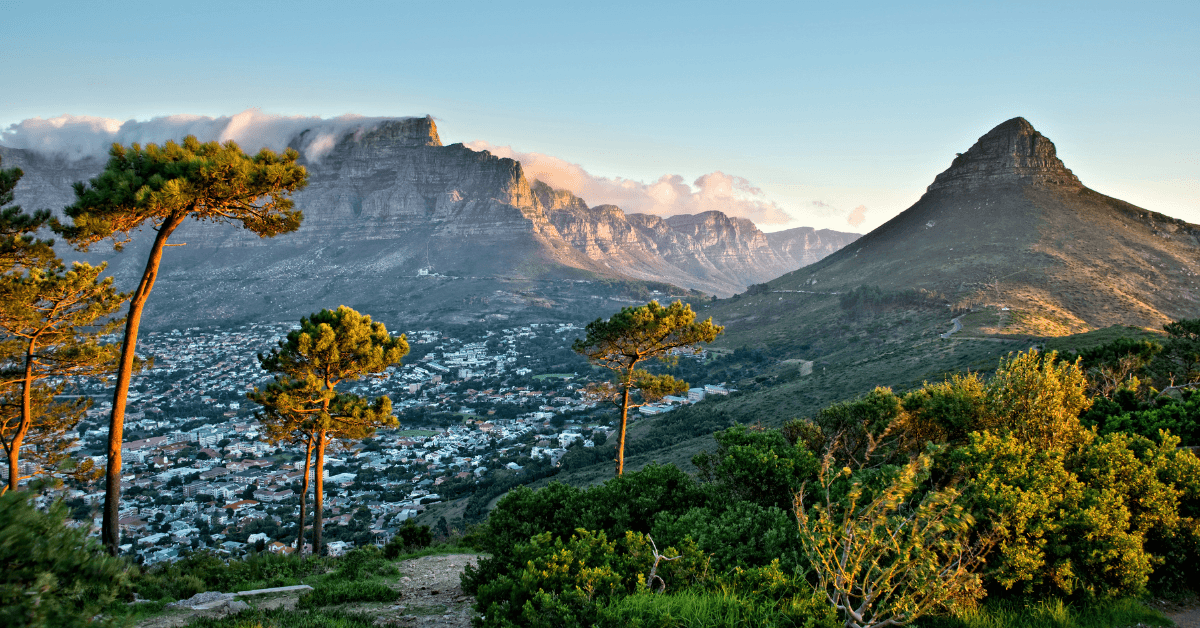
10. Signal Hill
An easy, drive-up viewpoint with one of the best sunset panoramas in the city and home of the daily Noon Gun, which is a time signal which has been set off every day at noon since 1806.
- Cost: Free; no ticket needed.
- When to go: Sunset, year-round.
- Time needed: About an hour.
- Tip: Bring a jacket and a picnic and arrive at least an hour before sundown to find parking, or get dropped off slightly lower down the hill by an e-hailing company and walk the rest of the way to the top.
11. Lion’s Head
A rewarding 360-degree hike between mountain and sea, famous for full-moon climbs and among the best places to see in Cape Town from above.

- Cost: Free.
- When to go: Sunrise, sunset or full moon, in clear and calm weather only.
- Time needed: 1.5 to 2.5 hours return.
- Tip: Carry a headlamp for dawn or full-moon hikes, wear proper shoes for the chain-and-ladder scramble near the top, and never hike alone after dark. Do not leave any valuables in the car, even if they are out of sight.
12. Newlands
A leafy, oak-lined suburb at the foot of the mountains, with beautiful forest walks, historic sports grounds and a famously relaxed pub culture.
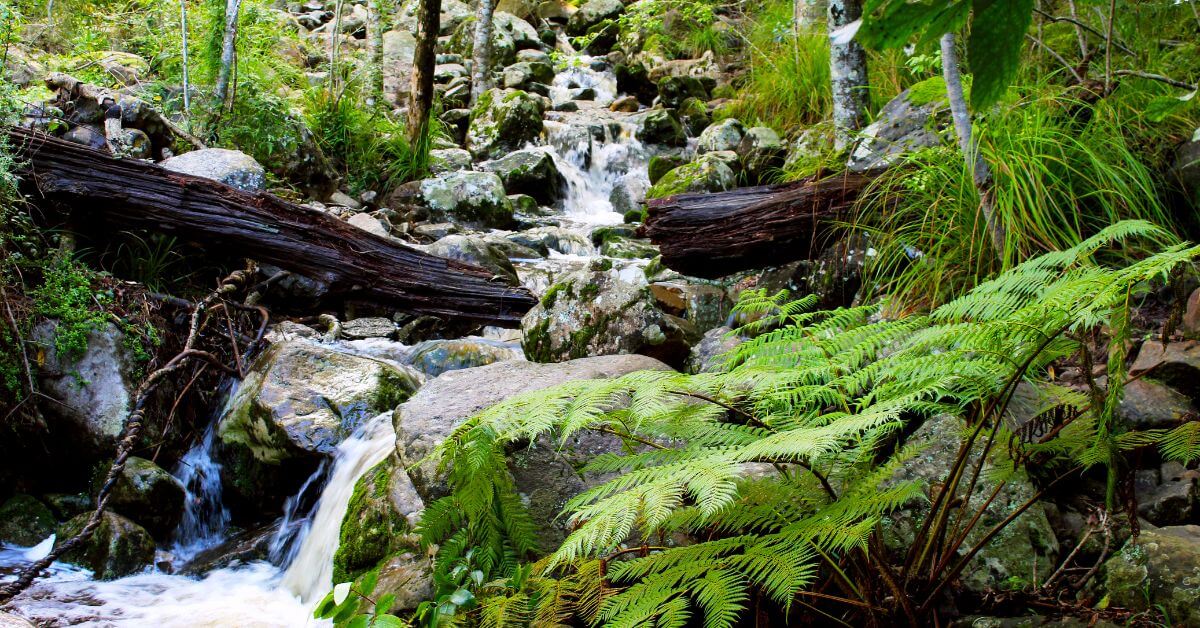
- Cost: The suburb and entry to the Newlands Forest area are free.
- When to go: Year-round, and it is especially atmospheric on a misty winter’s day or a sunny match weekend when the cricket is on.
- Time needed: Half a day to a full day.
- Tip: Slot in a meal at Forries after watching the cricket, a forest walk or a Kirstenbosch morning. The Newlands Brewery offers great tours where you can explore and try all the different beers they produce.
13. Constantia Wine Route
The oldest wine region in the Southern Hemisphere (1685), set among historic estates within the city limits.

- Cost: Most wine farms are free to visit; tastings run from around R90 to R150 per estate, depending on the wines.
- When to go: Summer and autumn (harvest season); spring greenery is lovely too.
- Time needed: Half to a full day.
- Tip: Always nominate a designated driver or book a wine tour shuttle and reserve a vineyard lunch at an estate like Groot Constantia to make an afternoon of it.
- Official site: www.constantiawineroute.com
14. Chapman’s Peak Drive
A jaw-dropping cliff-edge road of 114 curves between Hout Bay and Noordhoek and is a highlight on any list of the best places to visit in Cape Town.
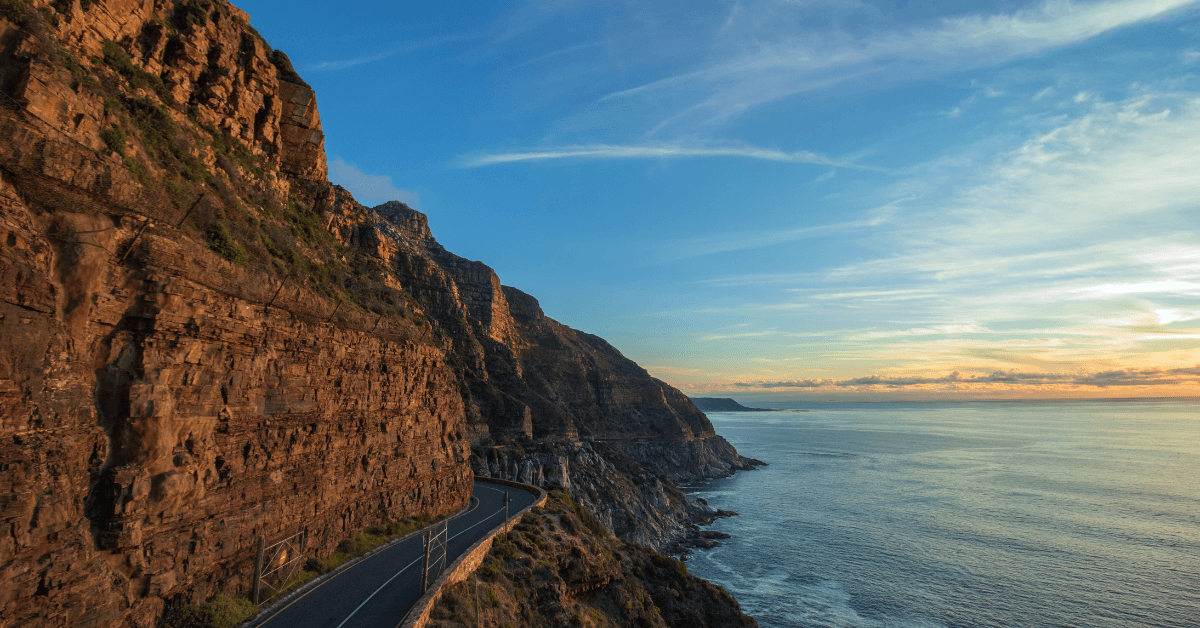
- Cost: Toll fees start at R66 per car each direction; keep your receipt if you plan to return the same day.
- When to go: Late afternoon for golden light, or any clear day.
- Time needed: 30 to 60 minutes with photo stops.
- Tip: Use the official lookout bays for photos rather than stopping on the road, and check the route is open first, as “Chappies” closes for weather and maintenance.
- Official site: www.chapmanspeakdrive.co.za
15. Muizenberg Beach
South Africa’s surfing birthplace has warm, gentle waves ideal for beginners.
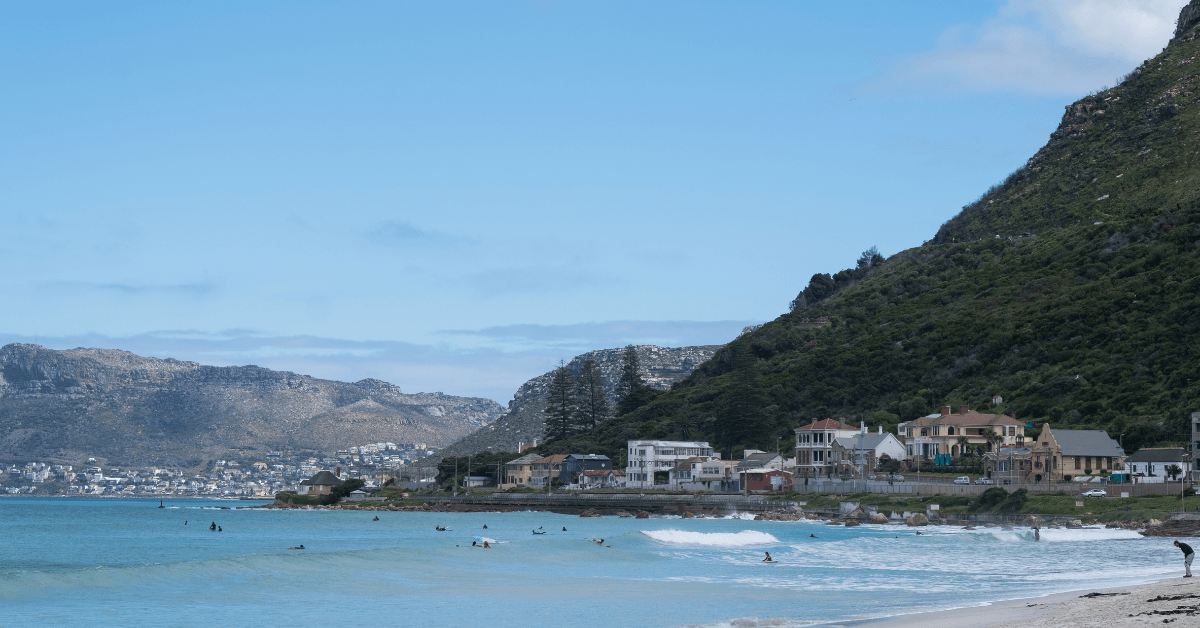
- Cost: Free; surf lessons and board hire are extra at shops such as the Lifestyle Surf Shop.
- When to go: Summer mornings for surfing; year-round for the beach scene.
- Time needed: A few hours.
- Tip: Book a beginner lesson with one of the surf schools at Surfer’s Corner and you’ll likely be standing up by the end of it. Do not leave valuables in your car.
16. Kalk Bay
A bohemian fishing village of antique shops, galleries and superb seafood, it is one of the nice places to visit in Cape Town for a slow afternoon.
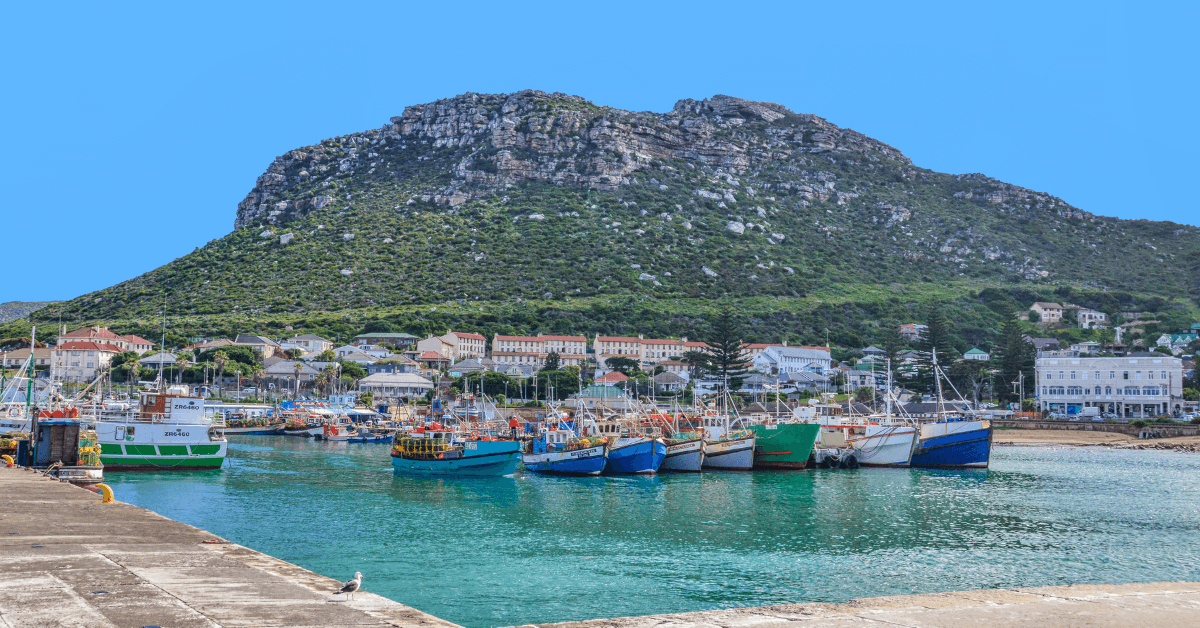
- Cost: Free to explore.
- When to go: Late morning, when the fishing boats come in and the shops are open.
- Time needed: 2 to 3 hours to a full day.
- Tip: Buy fresh fish straight off the boats at the harbour, and watch for seals basking near the wall. Weekends are lively, but parking is scarce.
17. Green Point Urban Park
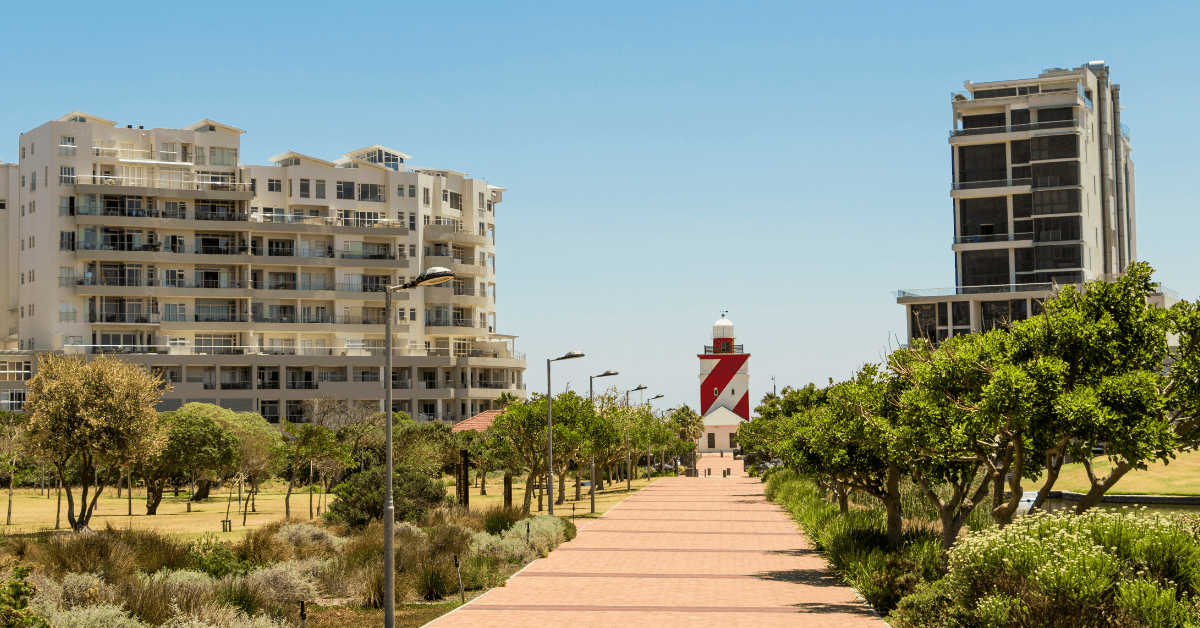
A beautifully landscaped public park beside Cape Town Stadium, with biodiversity gardens, ponds, play areas and wide lawns.
- Cost: Free – no ticket needed.
- When to go: Mornings and weekends for families; any clear day for a walk.
- Time needed: 1 to 2 hours.
- Tip: Combine it with a stroll along the nearby Sea Point Promenade, one of the best free things to do in the city. On Saturday mornings there is a weekly Park Run where you can join other runners in completing a 5km route through the park (this is also free).
Quick Picks by Traveller
Not sure where to begin? Here’s how the best places to visit in Cape Town suit different travellers:
- First-timers: Table Mountain, V&A Waterfront, Cape Point, Boulders Beach, and a Signal Hill sunset.
- Families: Boulders penguins, Two Oceans Aquarium, Kirstenbosch, and the gentle waves at Muizenberg.
- Couples: Camps Bay sundowners, Chapman’s Peak, Constantia wine, Lion’s Head by full moon.
- Nature lovers: Kirstenbosch, Cape Point, Newlands Forest, Silvermine.
- History lovers: Robben Island, Bo-Kaap and Iziko South African Museum.
- Food lovers: V&A Waterfront, Kalk Bay seafood, Constantia wine estates, and the Southern Suburbs pubs.
- Adventure seekers: Hike Lion’s Head, surf Muizenberg, and paraglide off Signal Hill.
Quick Itineraries for Best Places to Visit in Cape Town
Use any of these as a ready-made Cape Town city tour itinerary, or mix them to match your pace.
- Half-day: Table Mountain and then a beautiful Signal Hill sunset.
- Full day (peninsula): Chapman’s Peak, Cape Point, Boulders Beach, Kalk Bay.
- Weekend:
- Day 1: The city (Table Mountain, V&A Waterfront, Bo-Kaap, and Camps Bay);
- Day 2: Chapman’s Peak, Cape Point, Boulders Beach, Kalk Bay.
- Three days: Add these to the weekend itinerary – Kirstenbosch, a Newlands lunch and the Constantia wine route, or swap in Robben Island.
Together, these routes string the best places to visit in Cape Town into easy, sensible days, covering the best things to do Cape Town offers in a single trip.
When to Visit
There is no single “best” time to visit Cape Town because every season offers something different. However, many locals would argue that the city is at its best in late spring (October and November) and early autumn (March and April). While summer is the most popular time for international visitors, it is also the busiest and often the windiest, particularly during the festive season when South African school holidays bring large numbers of local holidaymakers to the city.
Visiting just outside the peak season usually means warm, calm days, fewer crowds and a more relaxed atmosphere. If your priority is sightseeing, hiking and exploring rather than spending every day on the beach, winter is also well worth considering thanks to its mild temperatures, lower accommodation prices and quieter attractions.
- Summer (Dec–Feb): Best for beaches, outdoor events and long sunny days. This is also the busiest and most expensive time to visit, with strong south-easterly winds common and Cape Town especially busy during the South African school holidays.
- Autumn (Mar–May): Warm days, lighter winds and fewer visitors make this one of the most comfortable times to explore the city, hike the mountains and visit the Cape Winelands during harvest.
- Winter (Jun–Aug): Cooler weather brings quieter attractions, lower accommodation prices and the start of whale watching season. Rain is more frequent, but many days are still ideal for sightseeing.
- Spring (Sep–Nov): Mild temperatures, colourful wildflowers and increasing sunshine make spring perfect for outdoor adventures before the summer crowds arrive.
Where to Eat Between Attractions
Situated at 52 Newlands Avenue since 1852, we are one of South Africa’s oldest pubs, with a shaded beer garden, a kids’ play area, wood-fired pizzas, a wide range of drinks and a famous Sunday carvery. We are an easy, family-friendly stop for breakfast before Kirstenbosch, lunch between peninsula stops, or a relaxed dinner after a day on the mountain, and we are right by the Newlands cricket grounds. Having started life as a recreational space for those working hard days in the forest as tree cutters, it has been pouring pints ever since. Elsewhere, the V&A Waterfront, Kalk Bay and Camps Bay all deliver, making any of these the best places to visit in Cape Town for a meal with a view.

FAQs
1. How many days do you need in Cape Town?
Three to four for the highlights; five or more to explore the neighbourhoods properly and add day trips into the nearby winelands.
2. What’s the number one attraction?
Table Mountain, a New 7 Wonders of Nature, followed by the V&A Waterfront, Cape Point and Boulders Beach, the four most-visited attractions in Cape Town.
3. Is Cape Town walkable?
The Cape Town city centre, the V&A Waterfront, Bo-Kaap and Sea Point are. For the mountain, peninsula and winelands, you’ll want a car, ride-hailing or the hop-on-hop-off bus.
4. Which attractions are free?
Hiking Table Mountain and Lion’s Head, Signal Hill, Camps Bay, Clifton, Muizenberg, Bo-Kaap, Green Point Park and the Sea Point Promenade.
5. What should first-time visitors prioritise?
Table Mountain, the V&A Waterfront, Cape Point, Boulders Beach and a Signal Hill sunset are the essential best places to visit in Cape Town.
Prices change, so check official sites before you go.
